Choosing Timber for a Pergola or Arbour: Sizes, Protection and Joints
A pergola stands straight for years when it starts with timber of the right section, well protected. We go through it part by part, from posts to rafters.
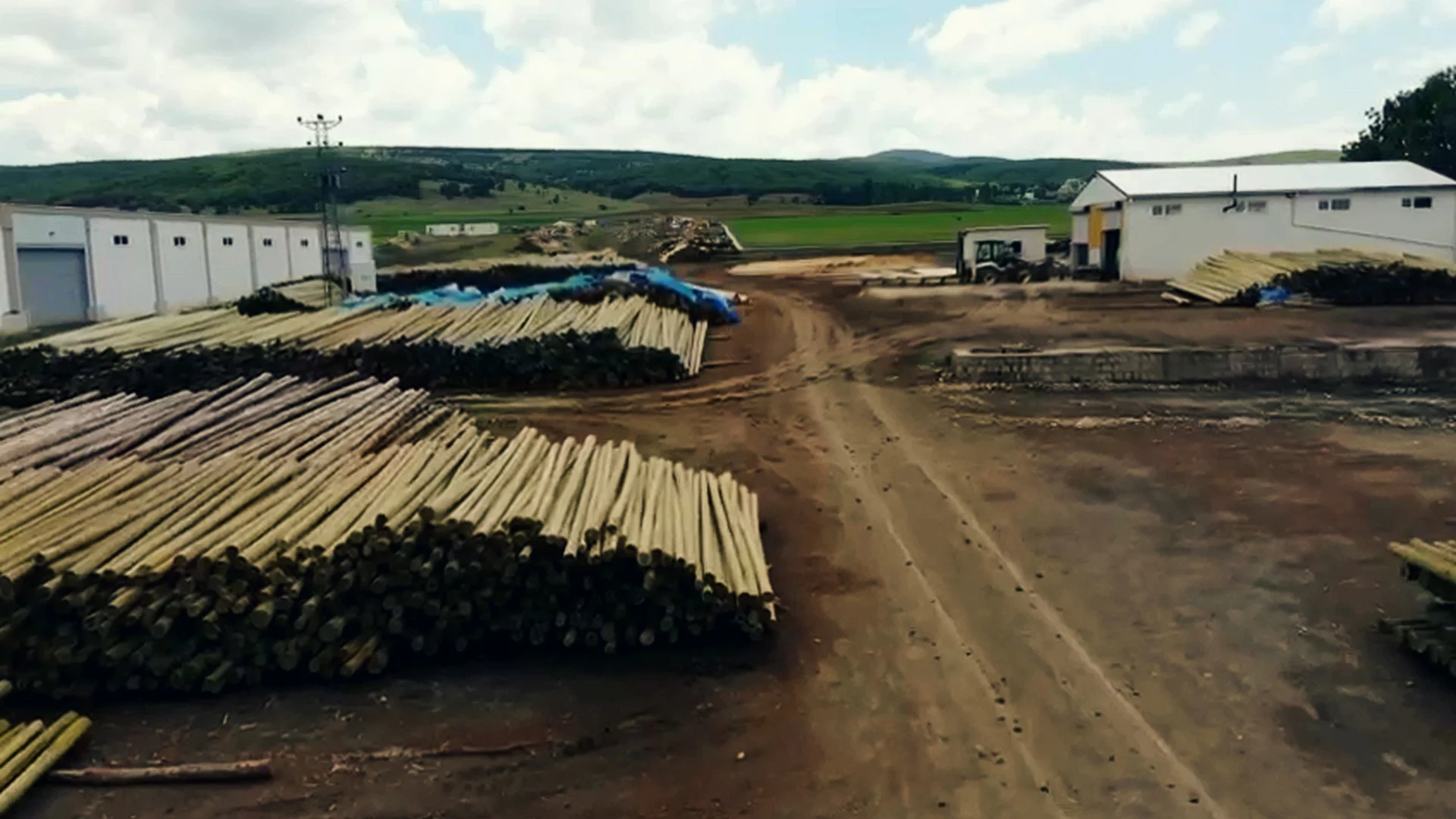
A pergola that shades the garden or an arbour covered in vines can last for decades when it is built well. Built badly, its posts rot at the foot after a few winters, its beams sag and its joints loosen. What makes the difference is largely the timber chosen at the start. In this guide we go part by part through what to look for when choosing timber for a pergola.
The parts of a pergola
A pergola is basically made of four parts: posts fixed to the ground, main beams tying the tops of the posts together, rafters laid across the beams at a right angle and, if you wish, thin battens on top. Each part carries a different load, so their sections differ too.
Posts: the thickest part and the one most in need of protection
The posts carry the whole load to the ground and are the parts closest to soil or concrete. That is why they must be thick and always impregnated. Square-section timber can be used, or turned timber for a round, even look. Fixing a post to concrete with a metal shoe instead of burying it in the soil cuts its foot off from water and extends its life noticeably.
Beams and rafters: sections by span
The section of the main beam is chosen by the span between two posts; the bigger the span, the deeper the beam must be. Rafters carry a lighter load but are more numerous; the distance between them sets both the shade and the look. If vines, climbers or snow will rest on top, choosing sections one size larger prevents sagging later on.
Why impregnated timber?
A pergola is outdoors in every season: rain falls, snow piles up, the sun dries the surface. In this cycle untreated pine first changes colour, then becomes open to fungi and insects. Impregnated timber delays this process for years because its preservative has been driven into the wood by vacuum and pressure. We explain how the treatment is done on our impregnation page.
Joints and cuts
- Use stainless or galvanised screws, bolts and angle brackets at the joints.
- Brush preservative onto every hole you drill and every end you cut on site.
- Leave no hollows on the top face of the beams where water could gather; cut rafter notches with a slight slope.
- Try to order the timber in its final size instead of cutting ends.
Paint, varnish and care
Once dry, impregnated timber takes paint, varnish or wood oil. This coating does not replace the treatment, but it protects the surface from the sun and lets you choose the colour you like. Cleaning the surface and renewing the coating every few years keeps the pergola looking as it did on the first day.
How to prepare the order list
Write the section, length and quantity separately for posts, beams, rafters and battens, and add the size of the pergola and what will rest on it. If you send the list with the quote form, we will go over the sections with you and prepare the timber by sawing and treating it.