Impregnation
Untreated pine lasts a few years in the ground; treated pine lasts decades.
What shortens the life of wood?
When its moisture content rises above a certain level, wood turns into a good home for fungi. Fungi feed on the fibres of the wood and soften it from within. Insects and termites then easily consume this weakened wood. Every piece of wood that touches the ground, takes rain and dries slowly is open to this threat.
How does impregnation break the cycle?
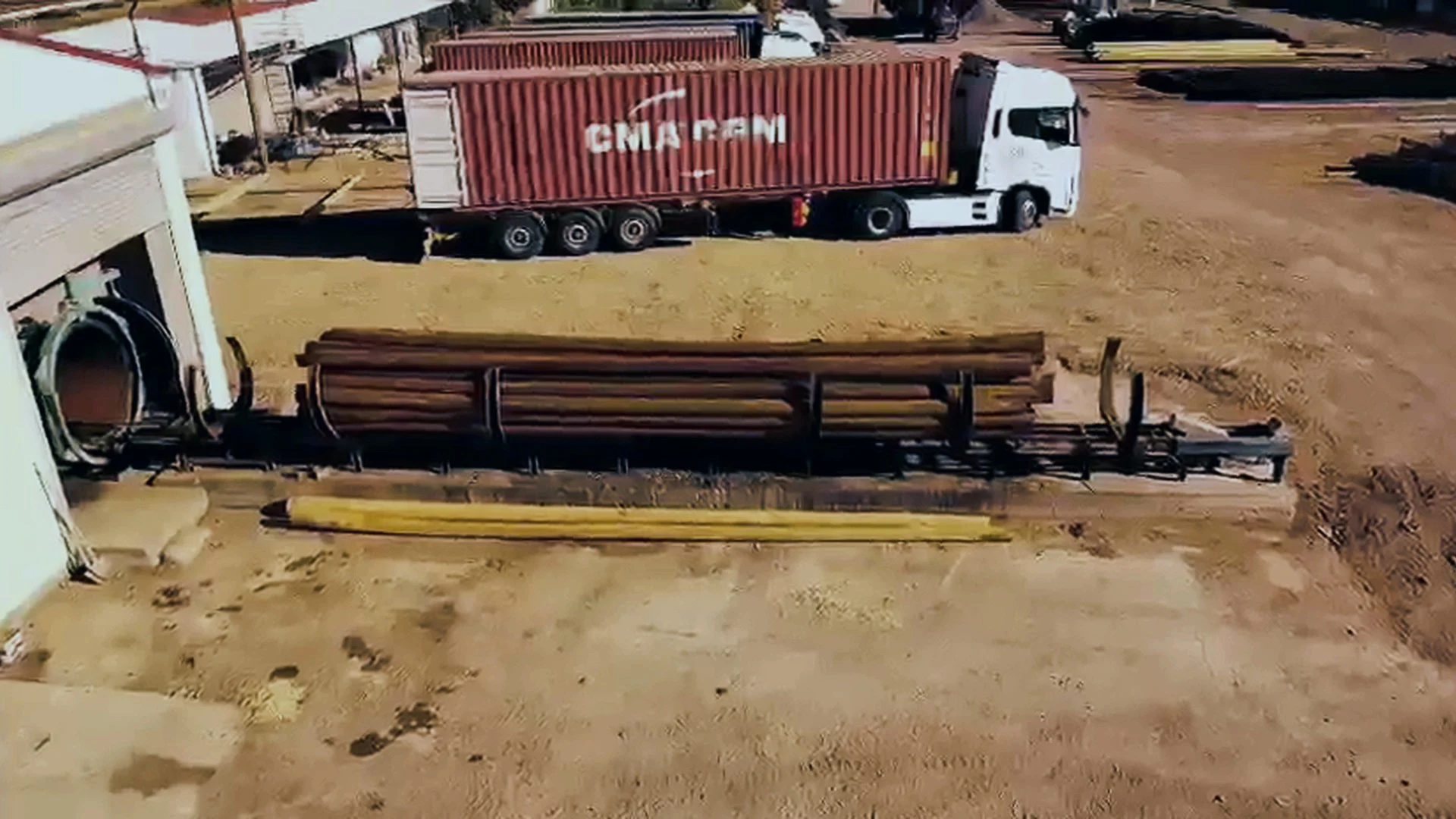
Impregnation places a preservative in the cells of the wood that does not let fungi and insects live. In the vacuum-pressure method the air is first drawn out of the wood in the cylinder, then the preservative is pressed in, and finally the excess is recovered. So the protection does not stay as a thin film on the surface; it reaches deep into the sapwood.
Habits that extend the life of treated wood
Brushing preservative onto cuts and holes, keeping water from collecting at the foot of the wood, lifting stacks off the ground and letting air reach them are the way to use up the full life that the treatment gives.
In all our treated products, protection is applied after sawing and cutting to length are finished. So every piece that reaches the site has a protected surface, and the user only needs to protect the cuts they make themselves.
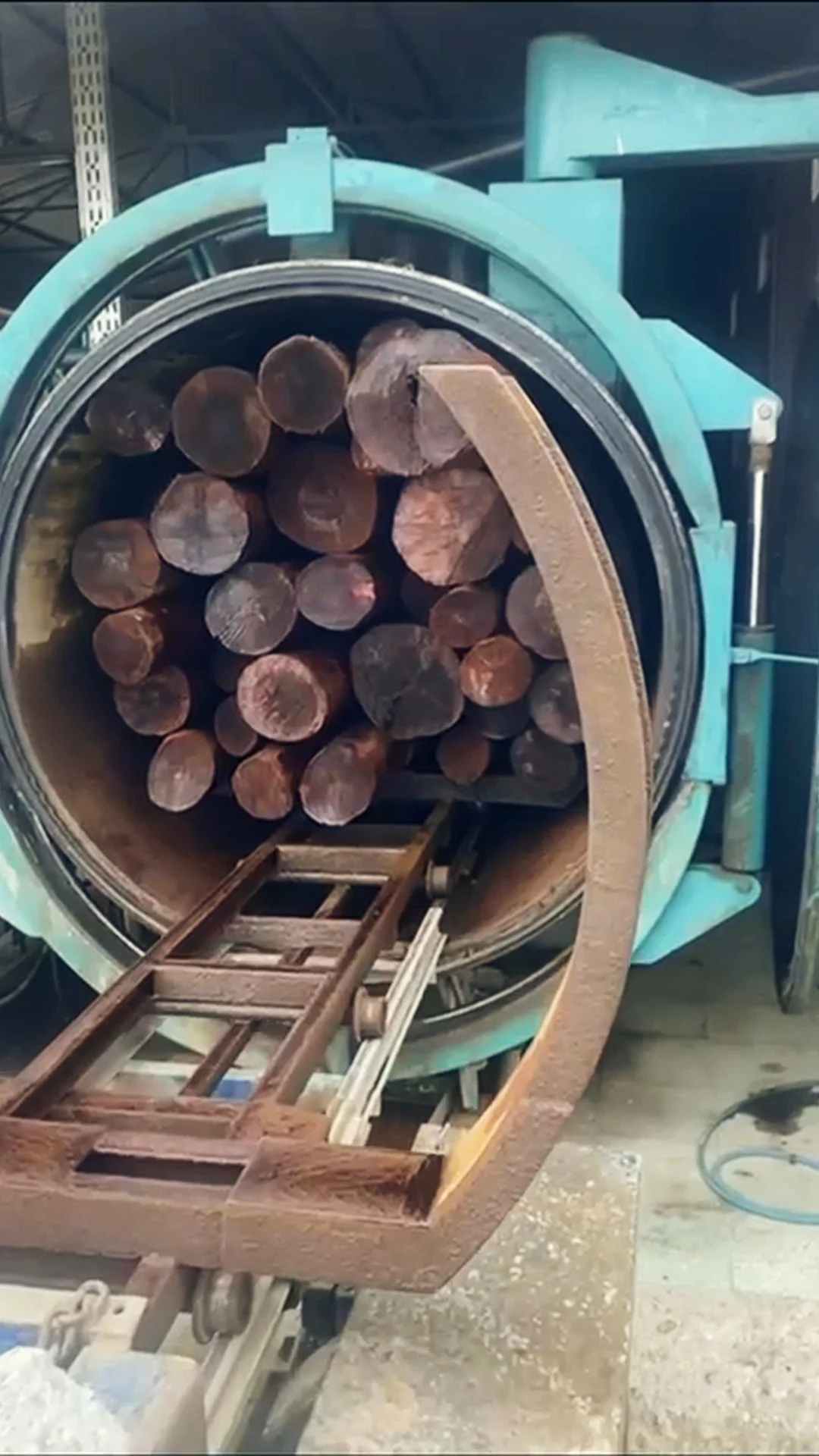
Comparison
What protection does to service life
- Untreated
- about 5 years
- Vacuum-pressure treated
- up to 50 years
Treatment
Cylinder and stack
Request a quote
Send us the dimensions, quantity and delivery location and we will prepare a quote for you.